If you own a home in Ventura County that isn’t hooked up to city sewer, your septic tank is quietly doing one of the most important jobs on your property. And like most things that work quietly, it tends to get ignored until it doesn’t work at all.
The question we get more than any other at Number 2 Doo Doo Crew is simple: how often does a septic tank actually need to be pumped? The short answer is every three to five years. The real answer depends on your tank, your household and where in the county you live. This guide walks through all of it so you can put a date on the calendar instead of waiting for a backup.
The Short Answer: Every 3–5 Years for Most Ventura County Homes
The U.S. EPA recommends having a typical household septic system inspected at least every three years and pumped every three to five years. That range holds up well for the average Ventura County home: a 1,000–1,500 gallon tank serving a family of three or four with normal water use.
But “average” is doing a lot of work in that sentence. A single retiree in Ojai on a 1,500 gallon tank might go seven years between pump-outs. A family of six in Santa Paula with a garbage disposal and an older 1,000 gallon tank might need service every 18 months. The schedule is personal, and the four factors below determine yours.
What Actually Determines Your Pumping Schedule
1. Tank size
Bigger tanks hold more solids before they need to be emptied. Most homes built in the last few decades have 1,000, 1,250 or 1,500 gallon tanks. Older properties in the Ojai Valley, Upper Ojai, Santa Paula and the Ventura hillsides sometimes have smaller tanks, or tanks that were sized for a house that has since been expanded. If you don’t know your tank size, a pumping visit is the easiest time to find out, since we measure it while we’re there.
2. Household size
Every person in the house adds roughly 50–70 gallons of wastewater per day. More people means more water pushing through the tank and more solids settling to the bottom. The rule of thumb below is what we use to give homeowners a starting point:
| Tank Size | 1–2 People | 3–4 People | 5–6 People | 7+ People |
|---|---|---|---|---|
| 1,000 gal | Every 5–6 years | Every 3 years | Every 2 years | Every 1–1.5 years |
| 1,250 gal | Every 6–7 years | Every 4 years | Every 2–3 years | Every 1.5–2 years |
| 1,500 gal | Every 7+ years | Every 4–5 years | Every 3 years | Every 2 years |
These are starting points, not guarantees. A tank inspection tells you the real number.
3. What goes down the drain
Garbage disposals are the big one. Running a disposal regularly can add 30–50% more solids to your tank, which can shave a year or more off your interval. Other things that fill a tank faster: heavy use of a water softener that backwashes into the system, “flushable” wipes (they aren’t), grease, coffee grounds and anything that isn’t wastewater or toilet paper.
4. Your soil and your drain field
This is where Ventura County gets specific. The county has an unusual mix of ground conditions, and they matter:
- Hillside and canyon properties (Ojai, Upper Ojai, Oak View, Casitas Springs, the Ventura foothills, Santa Rosa Valley) often rely on seepage pits or steep, compact leach fields. These systems have less margin for error, so keeping solids out of them by pumping on time matters more.
- Heavy clay and slow-percolating soils in parts of Camarillo, Somis, Moorpark and the Santa Clara River valley drain slowly. When a tank gets overfull and pushes solids into a slow drain field, the field clogs faster and is much more expensive to fix than a pump-out.
- Agricultural and ranch properties in Fillmore, Piru and Santa Paula frequently have older systems, multiple structures on one tank, or guest quarters that changed the original load.
If any of those describe your property, lean toward the shorter end of your range.
7 Signs Your Septic Tank Is Overdue Right Now
The schedule above is for planning. These signs mean you should call this week, not next year:
- Slow drains throughout the house (not just one sink). A single slow drain is usually a plumbing clog. Every drain slowing down at once points to the tank.
- Gurgling sounds from toilets or drains after flushing or running water.
- Sewage odors outside near the tank or drain field, or inside near floor drains.
- Standing water or unusually green, lush grass over the drain field, especially in late summer when everything else is brown. That’s effluent surfacing.
- Sewage backing up into the lowest drain in the house, usually a tub, shower or basement floor drain.
- High nitrate readings in a well water test, if you’re on a private well.
- It’s been more than five years and you can’t remember the last pumping. That alone is reason enough.
A backup is the expensive version of “overdue.” Pumping on schedule is a few hundred dollars. A failed drain field in Ventura County can run into the tens of thousands once permits, engineering and excavation are involved.
Ventura County Rules Worth Knowing
Ventura County regulates onsite wastewater treatment systems (the official term for septic systems) through the Environmental Health Division, operating under the state’s OWTS Policy. A few things homeowners run into:
- Pumping itself doesn’t require a permit, but repairs, replacements and new installations do. Keep your pumping receipts; they’re your maintenance record.
- Selling a home on septic: Ventura County doesn’t have a universal point-of-sale inspection mandate, but buyers, lenders and real estate agents routinely request a septic inspection and pumping before close. Having a recent service record makes that painless.
- Properties near creeks, wells or the coast may be in areas with tighter oversight. If your system is old and you’re in Ojai, Piru or anywhere along the Ventura or Santa Clara rivers, an inspection is a good idea even if things seem fine.
- Additions and ADUs: adding a bedroom, a guest house or an ADU to a septic property changes the required system capacity. Your pumping interval shortens, and the county may require the system to be evaluated.
What Happens During a Septic Pumping Visit
If you’ve never had a tank pumped before, here’s what to expect when Number 2 Doo Doo Crew shows up:
- Locate and open the tank. Most tanks have one or two lids at or just below grade. If yours is buried, we’ll find it and, if you’d like, install risers so it’s easy to reach next time.
- Check the levels. Before pumping, we look at the scum and sludge layers. This tells us whether your current interval is right or needs adjusting.
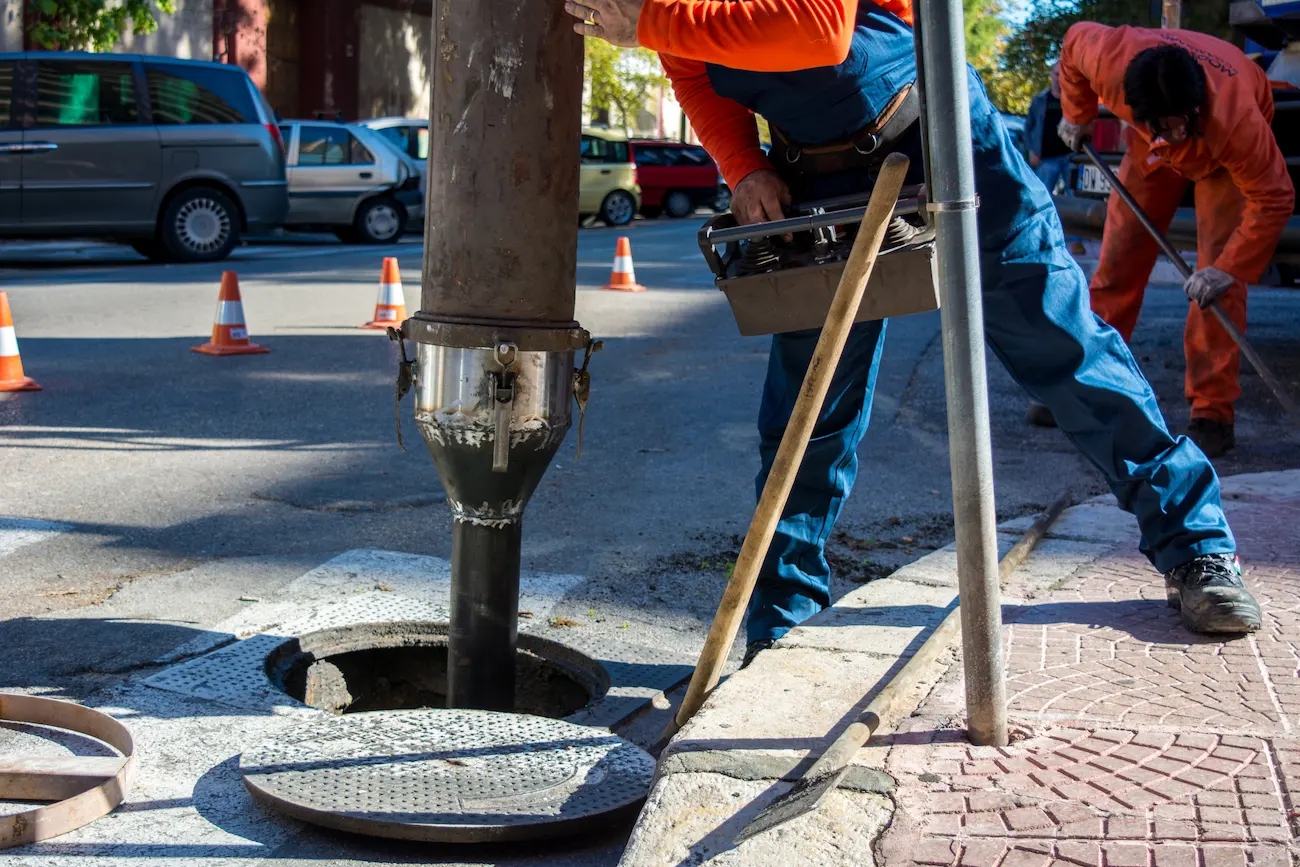
- Pump the whole tank. We remove liquids, sludge and scum, not just the liquid layer. Partial pumping is a shortcut that leaves the problem behind.
- Inspect the baffles and the tank. Cracked baffles, root intrusion and tank damage are easiest to spot when the tank is empty. We’ll tell you what we see.
- Close up and leave it clean. Lids back on, dirt back in place, and a written record of the service with a recommended next-pump date.
Most residential pump-outs take 45 minutes to an hour and a half.
How to Stretch the Time Between Pumpings
You can’t skip pumping, but you can make each interval last:
- Skip the garbage disposal, or use it sparingly. Compost or trash food scraps instead.
- Spread out laundry over the week instead of running six loads on Sunday. Big surges of water stir up the tank and push solids into the drain field.
- Fix running toilets and dripping faucets. A running toilet can send hundreds of extra gallons a day through your system.
- Only flush toilet paper. No wipes, no feminine products, no paper towels, no cat litter.
- Keep grease, oil and paint out of the drains.
- Don’t drive or park on the drain field, and keep deep-rooted trees away from it.
- Skip the additives. Despite the marketing, tank treatments don’t replace pumping and some can actually hurt your system.
Frequently Asked Questions
How much does septic pumping cost in Ventura County?
Pricing depends on tank size, how easy the tank is to access, and how long it’s been since the last service. Tanks that haven’t been pumped in many years, or that need digging to locate the lid, take longer. Contact Number 2 Doo Doo Crew for a straightforward quote for your property.
Can I pump my septic tank too often?
Not in a way that hurts anything. Over-pumping wastes money, but it doesn’t damage the system. Under-pumping is the risk that costs people real money.
What’s the best time of year to pump a septic tank in Ventura County?
Any time works, but late spring through fall is ideal. The ground is dry, access is easy, and you’re ahead of the winter rains. If your drain field tends to get soggy after heavy rain, having the tank pumped before the wet season gives it more room to work.
Do I need to pump before selling my house?
It isn’t legally required in most of Ventura County, but it’s expected in practice. A recent pump and inspection with paperwork removes a common objection from buyers and lenders and can keep escrow moving.
My tank has never been pumped and the house is 20 years old. Is it too late?
No, but don’t wait. Have it pumped and inspected. If the drain field is still absorbing water, you’ve likely dodged a bullet and can get on a normal schedule. If not, it’s far better to find out now than after a holiday-weekend backup.
Put Your Septic Tank on a Schedule
The easiest way to never think about your septic tank is to have it pumped on time by people who will tell you the truth about what they find. Number 2 Doo Doo Crew serves homeowners and businesses throughout Ventura County, including Ventura, Oxnard, Camarillo, Ojai, Santa Paula, Fillmore, Piru, Moorpark, Simi Valley, Thousand Oaks and the surrounding valleys and hillsides.
Schedule your septic pumping today, and we’ll leave you with a written record and a next-service date so you’re never guessing again.